Take 53: Why Recording Feels So Hard
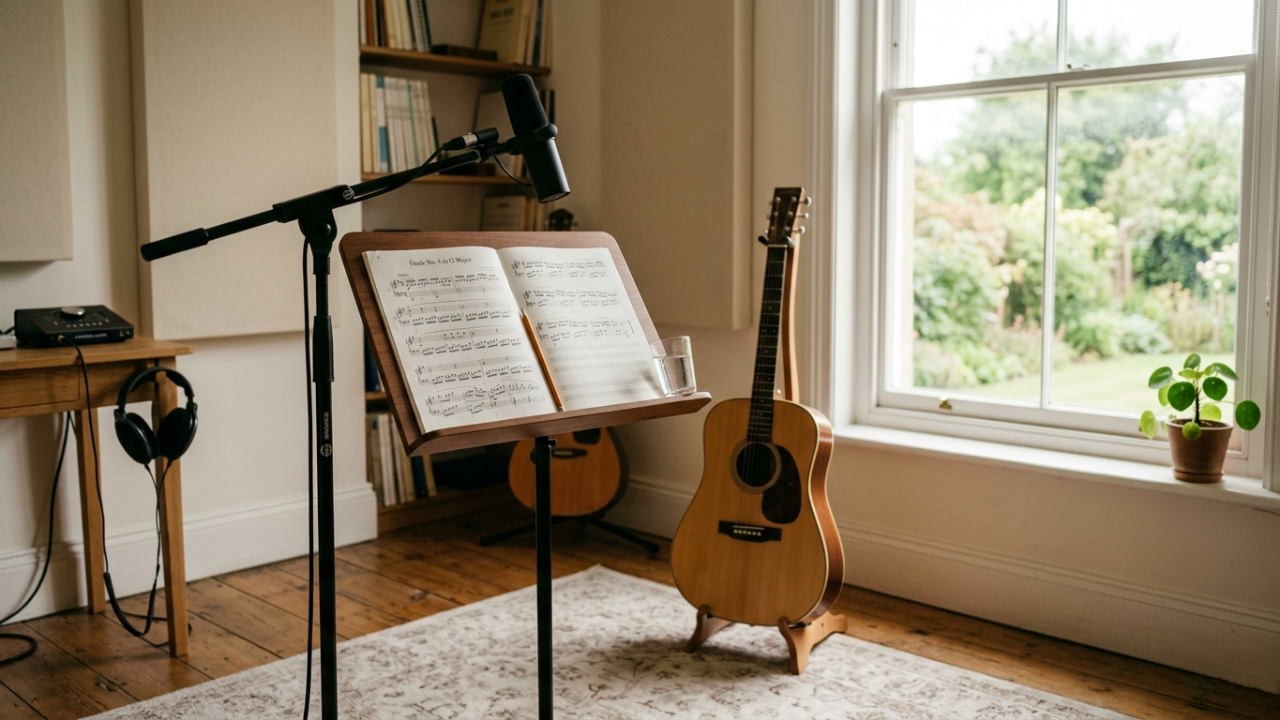
Recording doesn’t need to be so torturous.
This thought came up after two very different recording experiences recently.
Session 1
I was sitting in the next room, head in my hands, listening to Max announce “take 53” and start Till Eulenspiegel again.
He was recording his first audition video for a festival and had fully committed to the “just keep going until it’s perfect” method.
I had suggested something different:
Set a hard limit. Two or three takes. Then choose the best one and move on.
But he went far beyond that. Dozens of takes later, we were still trying to figure out what to keep, what to cut, and how to assemble something usable before a deadline that was now two days away.
Session 2
A few days later, I’m onstage at Music Hall during the final stretch of a Pops recording session.
We’ve just played Barber’s Adagio for Strings. Everyone is tired. Waiting for the “we got it.”
Instead, Elaine (Martone), our producer and a 7-time Grammy winner, starts calling for more takes.
You can feel the collective groan onstage.
“C’mon, don’t be like that,” she says through the speaker — then calmly walks us through what she still needs, and why.
Some of the best material ends up coming from those exhausted final attempts.
There’s also something I’ve always noticed in recording sessions: the “freakout room.”
It’s the playback booth where everyone goes during breaks to listen, critique, and decide what needs fixing.
I rarely go in. Mostly because I don’t have solos to obsess over — but also because I trust the producer to hear clearly while I stay in the work.
And it got me thinking:
Why is recording so hard?
Why does it feel like every flaw becomes louder the moment something becomes permanent?
There’s a concept called the Spotlight Fallacy — the belief that people notice our mistakes far more than they actually do.
Recording seems to amplify that.
But maybe that’s also the point.
Recording is one of the only times we step outside our own performance.
We get to hear ourselves without the physical pressure, without the adrenaline, without the internal noise of trying to get it right.
That’s what a good producer does.
They listen without the static so you don’t have to.
They let you stay in your body and keep playing while they hold the clarity.
And good coaching works the same way.
Not by over-controlling your process, but by helping you hear yourself more clearly — so you don’t need 53 takes just to find Take 7.
⬇️ Download ⬇️
Download this PDF of tips for recording yourself in practice.
If you’re in a season where you’d benefit from someone holding that clearer view alongside you, we have a few spots open for 1:1 work this spring.
Reply and we’ll talk.
We’re also holding free 30-minute sessions — we’d love to hear what you’re working on.
Max, for the record, got into the festival. 🎉
(Music Academy of the West High School Session this June.)
But more importantly, he learned something about recording.
With you in the work,
Ted & Ixi
📝 P.S.
Be honest — do you regularly record yourself? What makes it work (or not)?
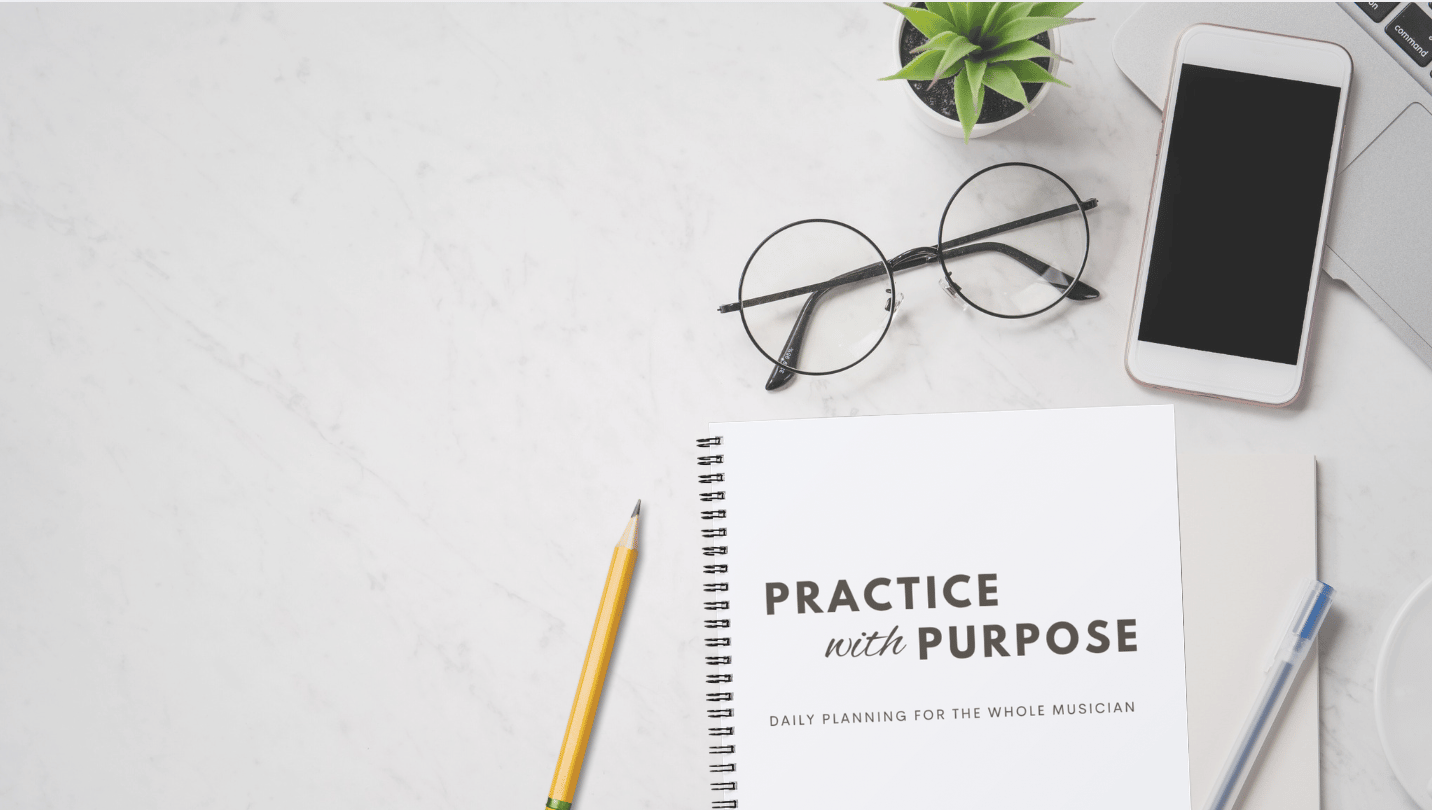
The Practice with Purpose framework is $99 for 2 6-month planners! It includes:
- the complete framework ($37 system)
- your 2 physical planners included (a $80 value, shipped to your door)
- training modules and ongoing resources
A system built on alignment, connection and flow.